


Looking back, it’s easy to forget just how much pressure rested on Avatar. James Cameron was attempting to follow up Titanic, a film that had dominated cinema history since 1997. When Avatar finally arrived 12 years later, it wasn’t just another blockbuster – it was positioned as an event, one that aimed to redefine what cinema could look and feel like.
The marketing campaign was relentless. Extended trailers filled cinemas, and Cameron toured the world alongside his cast, determined to sell Avatar as something truly groundbreaking. At the time, scepticism was understandable. Strip the hype away and the premise sounded faintly absurd.
Hyped to the max
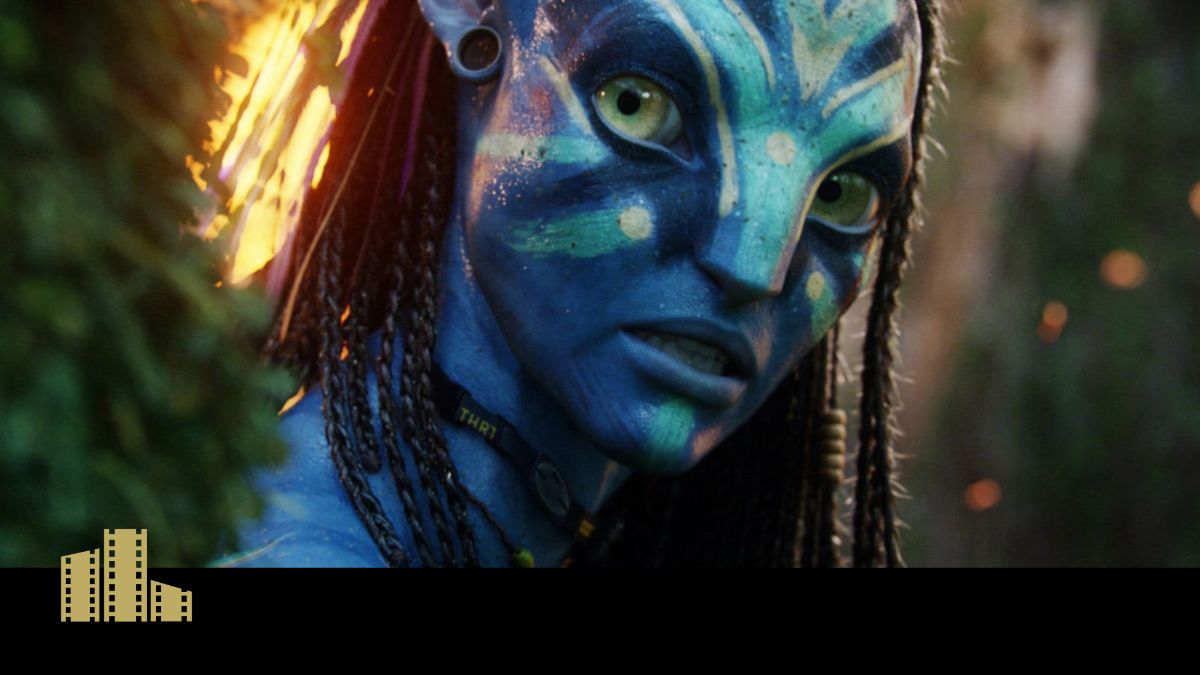
An ex-marine (Sam Worthington), paralysed from the waist down, was sent to the alien planet Pandora to help mine a rare material – memorably named “Unobtainium”. There, he encountered the Na’vi, towering blue humanoids who initially felt closer to cartoon creations than believable lifeforms. He quickly became immersed in their culture and, inevitably, fell in love with Neytiri (Zoe Saldana). On paper, it sounded ridiculous.

And yet, revisiting Avatar now, it’s remarkable how completely Cameron made it work.
The film took its time, but once Pandora revealed itself, the immersion was unlike anything audiences had experienced before. Even years later, the visual achievement remains staggering. The 3D wasn’t a gimmick – it was integral, pulling viewers into a living, breathing ecosystem that felt tangible and fully realised. Pandora didn’t just look good; it felt alive.
Pandora came alive on screen
What’s perhaps most surprising in hindsight is the film’s emotional pull. Despite its familiar narrative and sci-fi trappings, Avatar managed to evoke genuine emotion. Moments of anger, triumph and even grief landed with unexpected force. Cameron’s ability to blend action, drama, romance and spectacle into a single cohesive experience was, and still is, hugely impressive.
That said, time has also revealed the film’s limitations. The story itself was never particularly original, and some of the human characters felt underdeveloped. Sigourney Weaver, in particular, was criminally underused, delivering a strong performance that deserved more space to breathe. While the Na’vi characters were richly realised, the human side of the story occasionally felt thin.
Even so, Avatar remains a landmark in modern cinema. It may not have reinvented storytelling, but it fundamentally changed the visual language of blockbuster filmmaking. More than a decade on, its impact is undeniable.
In retrospect, Avatar wasn’t just a film – it was a cinematic moment. One that proved James Cameron hadn’t just returned, but reasserted his place at the very top of the industry.
Read the Movie Metropolis review of Avatar: Way of Water.