


From NOT A LOT OF PEOPLE KNOW THAT
By Paul Homewood
h/t Dave Ward
It’s behind the usual paywall, but EDP are reporting that Melton Renewable Energy’s five biomass power plants may shut next year when their ROC subsidies run out, unless the Government coughs up more money:

https://www.edp24.co.uk/news/25940797.power-plants-eye-thetford-risk-closure-2027/?ref=cprfa
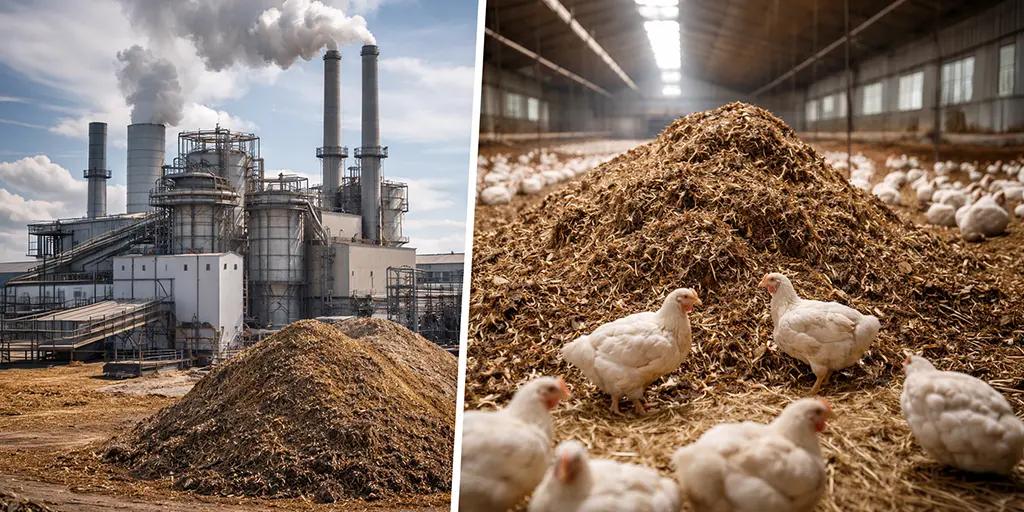
Eye and Thetford both burn chicken litter. Westfield in Fife also burns chicken litter, while Ely burns straw, while Glanford burns meat and bone meal.
Fife Today also report on the Westfield story:
Jobs at a biomass centre in Fife could be on the line unless the company’s owners can find new financial support.
Melton Renewable Energy operates five biomass power stations across the UK including its site at Westfield, Cardenden – but they could all close when the Government’s Renewables Obligation (RO) ends in March 2027.
The company aid that unless it can secure some transitional support after that expiry date, it will begin a three-month consultation leading to the closure of all sites and the loss of 200 jobs with 25 of them at the Fife plant.
Westfield, which is based on the site of one of the UK’s largest open cast coal mines, safely processes around 90% of all poultry litter in Scotland, preventing it from being spread to land and helping the poultry sector keep down its cost of production.
What has humanity been doing with all of that chicken litter since we started having boiled eggs?
According to Grok:
- Poultry litter is nutrient-rich (high in nitrogen, phosphorus, and potassium) and is widely used as an organic fertilizer on cropland, pastures, hay fields, or gardens. Farmers or contractors remove (“clean out”) the litter from houses and spread it on fields according to nutrient management plans or soil tests to match crop needs and prevent over-application (especially phosphorus buildup).
- It improves soil health by adding organic matter.
Melton made £80 million from ROC subsidies, in addition to another £12 million from Renewable Energy Guarantees of Origin and top ups from OGFEM from ROC recycling.
Total turnover was £169 million, so more than half of revenue comes from subsidies.
Little wonder they don’t want to give them up!

https://find-and-update.company-information.service.gov.uk/company/09194088/filing-history