


Helen Briggs,Environment correspondentand
Jonah Fisher,Climate correspondent

 Getty
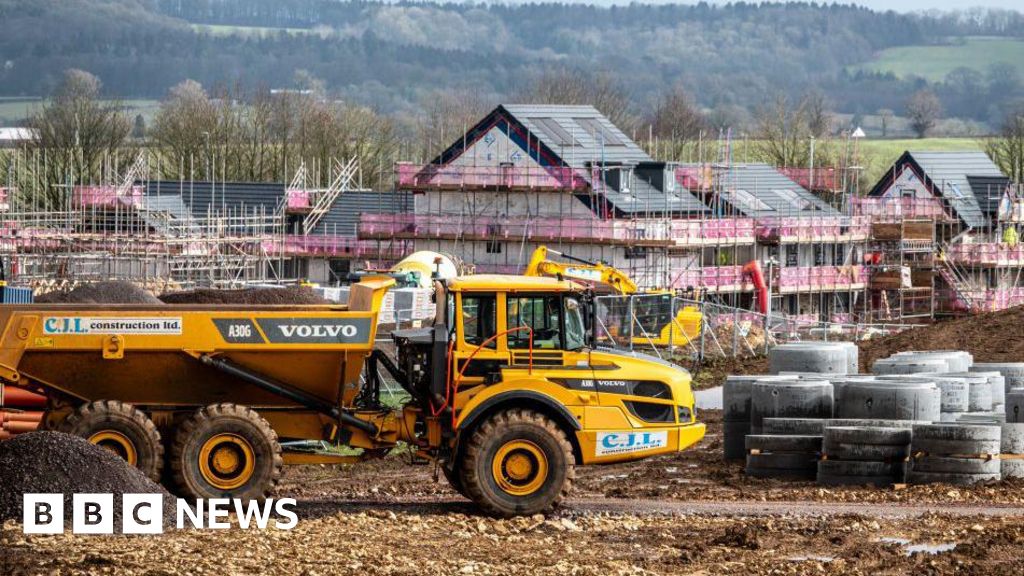
GettyMore housing developments will be exempt from rules requiring builders in England to improve wildlife habitats, the government said on Tuesday
Ministers have been reviewing rules known as Biodiversity Net Gain (BNG), under which builders must compensate for the loss of nature on housing developments.
Proposals to increase the size of exempted developments had sparked anger from nature charities, who warned it risked stalling nature recovery.
The changes are part of an overhaul of planning rules which the government said would help achieve its target of building 1.5 million new homes in this Parliament.
 Getty
GettyThe raft of reforms to the National Planning Policy Framework also giving a “default yes” to planning applications near railway stations and a requirement that new builds include nature-friendly features, such as installing swift bricks, to support wildlife.
The changes to England’s BNG rules exclude developments under 2,000 sq m of land under a drive to make it easier to build homes on smaller sites. The government says this will apply to an estimated 12,500 homes a year.
Nature campaigners had feared the government would go further, but say the move still risks “hollowing-out one of the most important nature protection policies in a generation”.
“It’s good that exemptions are narrower than originally proposed, but this is still damage limitation, not positive leadership for nature,” said Richard Benwell, CEO of Wildlife and Countryside Link, a coalition of conservation groups.
 Berks, Bucks and Oxfordshire Wildlife Trust
Biodiversity Net Gain, which requires developments in England to increase biodiversity by 10%, has been in place for less than two years.
However, critics say the policy can increase costs and cause delays in the planning process, particularly for smaller developers, making some projects unviable.
The policy has made building “harder, more expensive and more complicated”, said Rico Wojtulewicz of the building trade body, the National Federation of Builders.
He told the BBC: “Biodiversity net gain is not working – it’s not working for construction because it is delaying projects, it’s making things more expensive… and it’s not really helping nature in the way it should.”
The government announced a consultation in May. Options included exempting sites of up to 10,000 sq-m (roughly one or two football fields).
Emma Toovey is chief nature officer at Environment Bank, a company that creates habitat banks which developers can use to pay for nature restoration if this cannot be done on site.
She said adding more exemptions means “less nature within developments and less money to go into nature restoration and nature recovery within our wider landscapes”.
The government has also said it will consult on expanding exemptions on brownfield sites of up to 25,000 sq m in size and will introduce measures to make it easier, quicker, and cheaper for medium-sized developments to deliver off-site nature improvements.