


From NOT A LOT OF PEOPLE KNOW THAT
By Paul Homewood
h/t Ian Magness

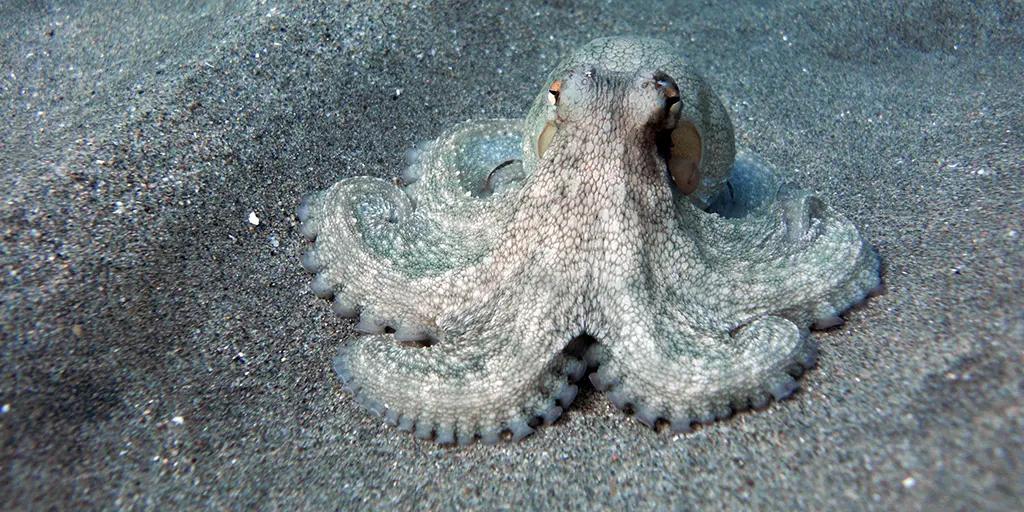
A wildlife charity has declared 2025 “the Year of the Blooming Octopus” after record numbers were spotted off the south-west coast of England.
In its annual marine review the Wildlife Trusts says octopus numbers were this summer at their highest level since 1950.
Warmer winters, which are linked to climate change, are thought to be responsible for the population spike, which is known as a “bloom”.
The charity’s findings are backed up by official figures which show that more than 1,200 tonnes of octopus was caught by fishermen in UK waters in the summer of 2025.
It’s a dramatic increase on previous years. Only once since 2021 has more than 200 tonnes of octopus been landed.
Experts say most of those spotted are Octopus vulgaris a species commonly seen in the warmer Mediterranean Sea. Wildlife Trusts volunteers in Cornwall and Devon reported an increase in sightings of more than 1,500 percent on 2023 figures along one stretch of the south coast.
“It really has been exceptional,” says Matt Slater from the Cornwall Wildlife Trust. “We’ve seen octopuses jet-propelling themselves along. We’ve seen octopuses camouflaging themselves, they look just like seaweeds.
“We’ve seen them cleaning themselves. And we’ve even seen them walking, using two legs just to nonchalantly cruise away from the diver underwater.”
https://www.bbc.co.uk/news/articles/c709gz3k9k9o
Of course, it is all down to climate change! But if numbers are the highest since 1950, what happened back then?
Geo TV reported in August:
Bryce Stewart, a University of Plymouth marine scientist leading the probe, noted past blooms in Britain — in 1950, the 1930s and 1899 — were all preceded by similarly “ideal” warmer-than-usual waters.
However, Stewart suspects octopuses are now breeding in local waters — an unprecedented situation that could also explain their sudden disappearance.
Both male and female Atlantic longarm octopus — which typically only live about 18 months — tend to die not long after breeding.
“They eat everything, they’re ferocious, and they start to breed. It’s like the ultimate live fast, die young life cycle,” he explained.
He said he is constantly asked if the octopuses are here to stay. His answer? “Probably.”
Warmer waters in the 1930s? What could have caused that?
In fact, Olly the Octopus never went away!
Far from walking along the bottom of the sea all the way from Spain, octopus rarely travel more than a hundred yards or so.
The blooms are due to higher survival rates for eggs and larvae in milder winters. As Bryce Stewart points out, the adults die soon after breeding, a natural way of keeping population under control.
Tucked away at the bottom of the BBC article is this little gem:

Puffins have, of course, been thriving for years on those little islands off the Pembrokeshire coast, in stark contrast to the prognostications of the doom and gloom lobby.
Puffins, like most of the life on earth, thrive on warmer weather. The reason why they have been in decline in the North Sea is the industrial fishing of sand eels there. In contrast, there is ample supply of their favourite food around Skomer.
Discover more from Watts Up With That?
Subscribe to get the latest posts sent to your email.