


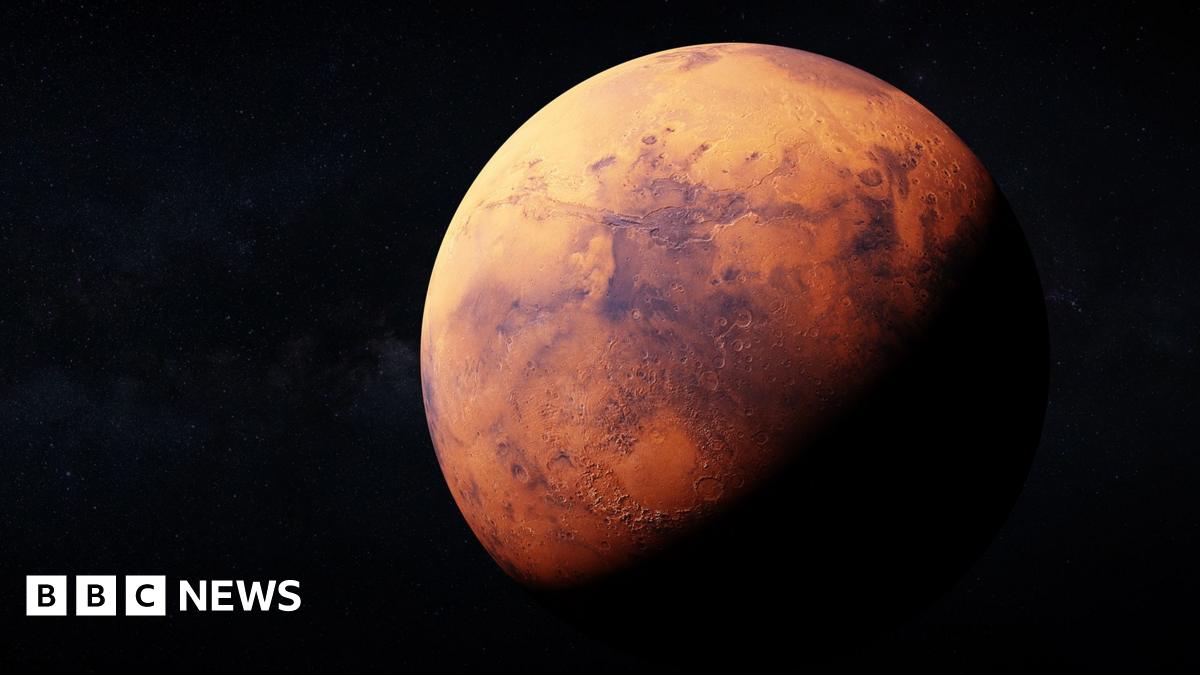
Nasa has its sights set on Mars and wants to send people there by the 2030s.
Given the technological hurdles it needs to overcome, it’s a pretty ambitious timeline.
But you have to start somewhere, and the US has decided the Moon is that place.
“Going to the Moon and staying there for a sustained period is much safer, much cheaper and much easier to be a test bed for learning how to live and work on another planet,” says Libby Jackson, head of space at the Science Museum.
On a Moon base, Nasa can perfect the tech to provide the air and water astronauts need. They’ll have to work out how to generate power and build habitats to protect people from extreme temperatures as well as dangerous space radiation.
“These are all technologies that if you try them for the first time on Mars and they go wrong, it’s potentially catastrophic. It’s much safer and much easier to try them out on the Moon,” Jackson says.