


Despite early alarm and intense media coverage, the incident followed a predictable course for a rare zoonotic pathogen rather than escalating into a broader public health crisis.
Posted by Leslie Eastman

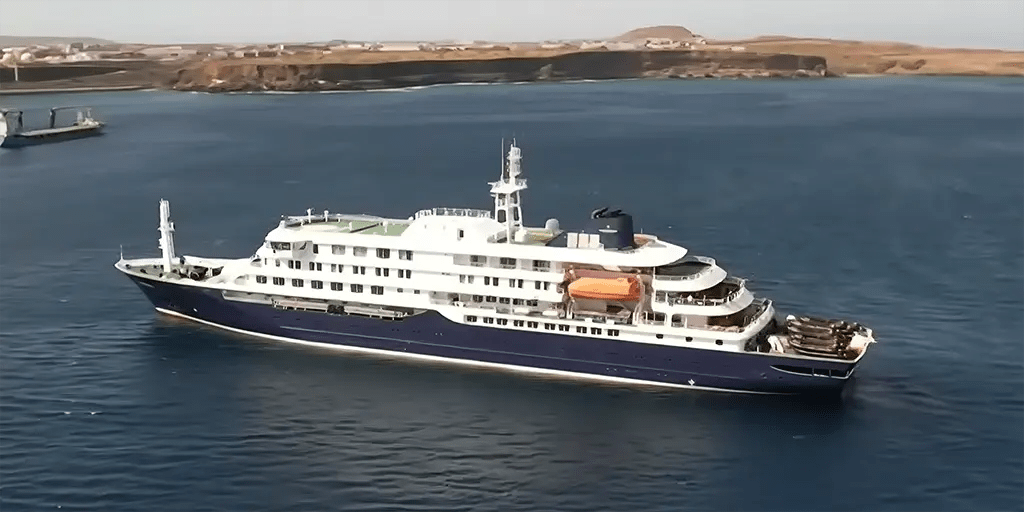
Legal Insurrection readers may recall that I followed the events related to a hantavirus outbreak that occurred on the Dutch-flagged cruise ship MV Hondius, which caused several severe illnesses and at least three deaths.
Based on my previous coverage of this pathogen, I noted that, despite media drama, this outbreak would not morph into the next global pandemic.
Absent a surge in secondary cases or clear evidence of sustained human-to-human transmission, this story lacks the fuel needed to dominate headlines for six full weeks.
Hantavirus, particularly the Andes strain, is serious but very limited in its ability to spread, and the data simply do not support a pandemic-scale alarm.
As competing news cycles inevitably crowd in, the narrative will shift, the “six feet” chatter will fade, and the episode will quietly resolve into what it appears to be: a contained, closely watched incident rather than the next global crisis.
In fact, the media’s attention span ran out long before the CDC’s 42-day monitoring window.
The World Health Organization has declared the cruise ship-linked hantavirus outbreak over after the final exposed individual completed the recommended 42-day quarantine, tested negative, and returned home. pic.twitter.com/AX3q83XJUz
— Complex (@Complex) July 3, 2026
There has been little news of hantavirus recently, and now the World Health Organization (WHO) has officially declared the cruise-ship-connected outbreak over.
The reported illnesses this spring initially looked like the spread of a typical stomach bug on a luxury ocean liner, but the situation quickly escalated to a fatal outbreak of hantavirus, a rare rodent-borne pathogen, leading to weekslong quarantines for the ship’s passengers and a global health alert.
But the outbreak is now over, the World Health Organization announced on Thursday. Overall, there were 12 confirmed cases and one probable case aboard the cruise ship, including three deaths.
The declaration was made after the final contact of a passenger completed a quarantine period and tested negative for the virus, said the health agency, which is part of the United Nations.
The announcement ended a three-month saga that had scientists scrambling to find the origins of a rare vector for hantavirus; crew members and passengers held captive on a luxury ship; and global health officials enforcing contact tracing and quarantine protocols.
The World Health Organization said on Thursday that the hantavirus outbreak linked to a cruise ship is over. https://t.co/jgNHCvgjpO
— ABC News (@ABC) July 3, 2026
Over 600 people were ultimately tracked for potential infection with this pathogen.
As of Thursday, there have been a total of 13 cases of hantavirus — 12 confirmed and one probable — and three deaths, of which at least two have been confirmed, according to the WHO. All cases have been passengers or crew members on the ship.
Tedros said more than 650 contacts were identified and followed up by health authorities in 33 countries and territories.
“Although the outbreak is over, WHO will continue working with governments and partners to advance our understanding of this outbreak and of hantavirus more generally,” Tedros said. “We are also coordinating a study involving 21 countries to understand how the disease develops, which will support the development of diagnostics, therapeutics and vaccines for future outbreaks.”
In other words, the hantavirus outbreak aboard the MV Hondius remained a serious but ultimately contained event, with limited transmission and no evidence of sustained human-to-human spread.
Despite early alarm and intense media coverage, the incident followed a predictable course for a rare zoonotic pathogen rather than escalating into a broader public health crisis… just as I predicted it would.