


In hospitals across the US, patients and staff have become accustomed to seeing a one-armed, four-foot high, friendly-looking white robot going about its business.
Nurses have been known to greet Moxi, as the robot is called by its maker Diligent Robotics, with a “good morning”, a high five or even a hug.
Moxi – which shuttles medical supplies around hospitals – might respond by displaying its heart-shaped LED eyes and a beep beep greeting of its own.
“We get a lot of feedback that Moxi feels like a part of the team,” says Todd Brugger, chief operating officer at the Texas-based robotics company, which has around 100 of the wheeled robots in operation.
But bringing Moxi into a hospital doesn’t mean buying one of the machines outright. Instead, it is among robots available to rent or on a subscription basis.
Robotics companies use the term robotics-as-a-service. As well as the robot itself, service, maintenance and upgrades are bundled into the deal. A human engineer sitting in a remote control room may be on hand to take control of the robot if needed.
In Moxi’s case, Brugger says: “It lowers the expense and the outlay for the hospital because you’re not paying for the full purchase up front. Secondly, and I think more importantly, this tech is evolving very quickly… we’re routinely evolving the software and capabilities of the robot.”
Robot rentals are becoming available for anything from a day to years for a variety of purposes, from Moxi’s hospital deliveries to robot bartenders or autonomous weeders for farms.
Increasingly this includes early humanoid models, designed to behave and look like humans, and operate in environments designed for people.
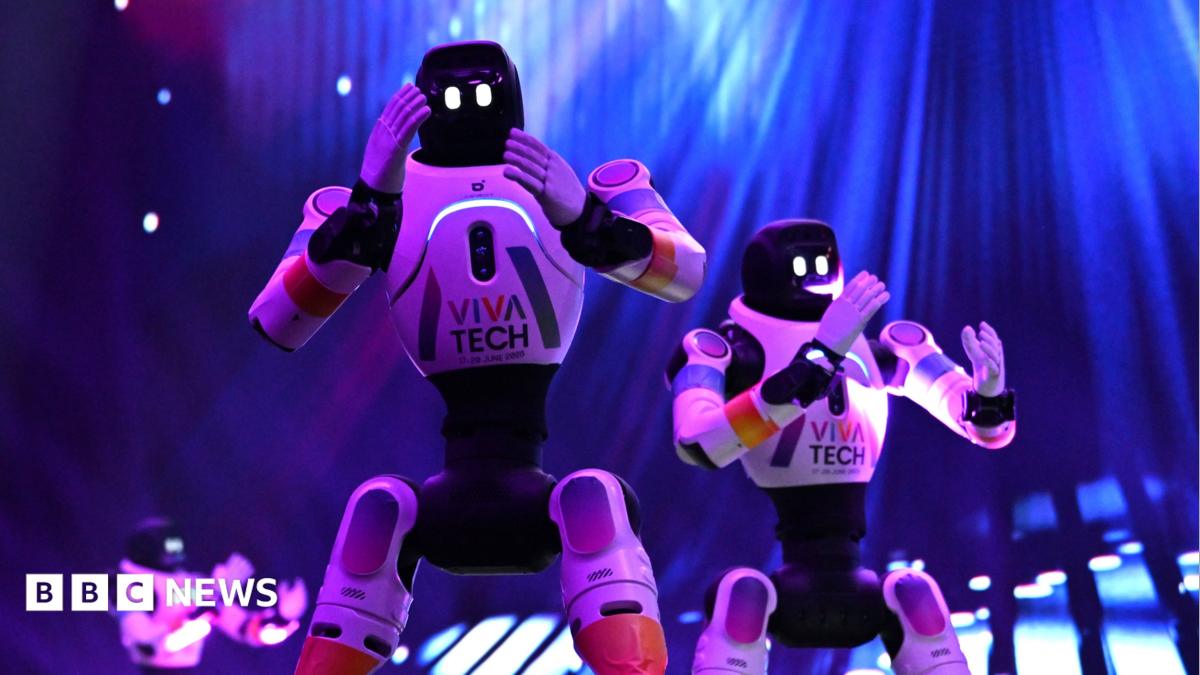
Given humanoids are still a work-in-progress, they are currently rented out for clearly defined tasks. That often means entertainment. Depending on the model, a machine might dance, sing or serve guests at a wedding or corporate event.
Ethan Qi, a Beijing-based associate director at Counterpoint Research, says an act like a humanoid dance routine is relatively simple to pull off.
“You hire a real dancer to perform and video it. The video is then used to train the robot. Then the robot will know how to dance. But the engineer will still often go with the robot in case the environment or the platform isn’t simple,” he says.